Discover the uniform trends shaping 2026 Essential insights for bulk buyers to prepare,optimize purchases,and lead the market. Stay ahead with our expert guide.
As we approach 2026, the world of professional workwear is undergoing a transformative shift. For bulk buyers of uniforms, understanding these emerging uniform trends shaping 2026 is not just about staying current—it's about strategic planning, optimizing budgets, and enhancing your organization's image and operational efficiency. The future of corporate attire, healthcare scrubs, hospitality wear, and industrial uniforms is a dynamic blend of sustainability, technology, comfort, and refined aesthetics. Get ready to adapt your purchasing decisions to meet the evolving demands of a modern workforce.
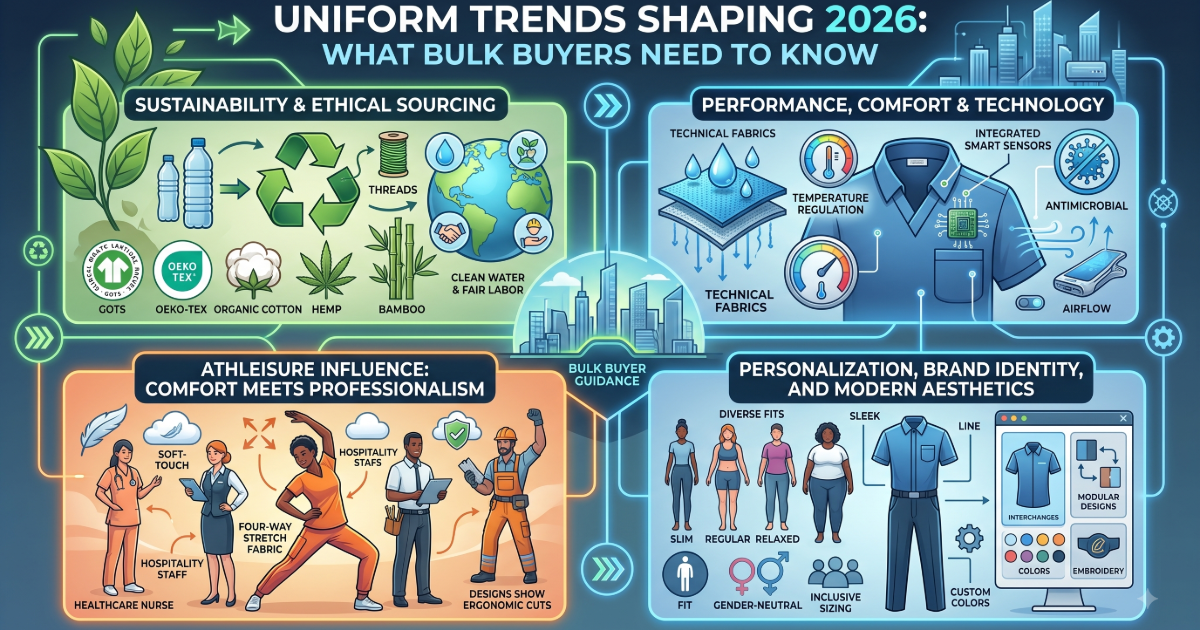
Sustainability and Ethical Sourcing: The New Standard
The demand for environmentally responsible and ethically produced goods is no longer a niche request; it's a fundamental expectation. Bulk uniform buyers must prioritize suppliers who demonstrate a clear commitment to sustainability.
Eco-Conscious Materials Leading the Charge
- Recycled Fabrics: Expect a surge in uniforms made from recycled polyester (rPET) derived from plastic bottles, and recycled cotton blends. These materials significantly reduce waste and conserve resources without compromising durability.
- Organic and Natural Fibers: Certified organic cotton, hemp, and bamboo are gaining traction for their comfort, breathability, and reduced environmental footprint from cultivation.
- Innovative Biodegradable & Circular Materials: Research and development into fully biodegradable fibers and circular textile systems (where uniforms can be recycled back into new fabric) will increasingly influence purchasing options for future of uniforms.
Transparency and Ethical Supply Chains
Beyond the fabric itself, the journey of the uniform matters. Companies are scrutinizing their supply chains more closely. Ethical workwear trends 2026 will emphasize:
- Fair Labor Practices: Ensuring that every person involved in the uniform's production, from raw material harvesting to manufacturing, is paid fairly and works in safe conditions.
- Reduced Water and Chemical Usage: Suppliers adopting eco-friendly dyeing processes and water-saving manufacturing techniques will be preferred.
- Certifications: Look for certifications like GOTS (Global Organic Textile Standard), OEKO-TEX, and Fair Trade, which provide verifiable proof of sustainable and ethical practices.
Performance, Comfort, and Technology Integration
Today's workforce demands uniforms that not only look good but also perform exceptionally, offering unparalleled comfort and, increasingly, smart functionalities. The lines between athletic wear and professional attire are blurring, driven by the desire for adaptable clothing.
Advanced Fabrics and Smart Textiles
Materials are becoming smarter, enhancing the wearer's experience and functionality:
- Moisture-Wicking and Breathable Fabrics: Essential for comfort in various climates and active roles, these fabrics pull sweat away from the body, keeping wearers dry and comfortable.
- Antimicrobial Properties: Particularly vital for healthcare and hospitality sectors, uniforms with integrated antimicrobial agents help reduce odor and inhibit bacterial growth.
- Temperature Regulation: Fabrics that adapt to body temperature, keeping wearers cool in heat and warm in cold, are becoming more sophisticated.
- Integrated Wearable Technology: While still nascent, expect to see more smart uniforms with discreetly integrated sensors for health monitoring, safety alerts (e.g., fall detection for lone workers), or even augmented reality applications for training and remote assistance.
The Athleisure Influence: Comfort Meets Professionalism
The comfort revolution isn't slowing down. Comfortable workwear is a top priority, driving a significant shift in design:
- Stretch and Flexibility: Uniforms featuring four-way stretch fabrics allow for greater freedom of movement, crucial for dynamic roles.
- Ergonomic Design: Cuts and seams are being re-engineered to reduce chafing and increase comfort during long shifts, often inspired by activewear.
- Soft-Touch Materials: A preference for softer, less rigid fabrics enhances the wearer's daily experience, boosting morale and productivity.
Personalization, Brand Identity, and Modern Aesthetics
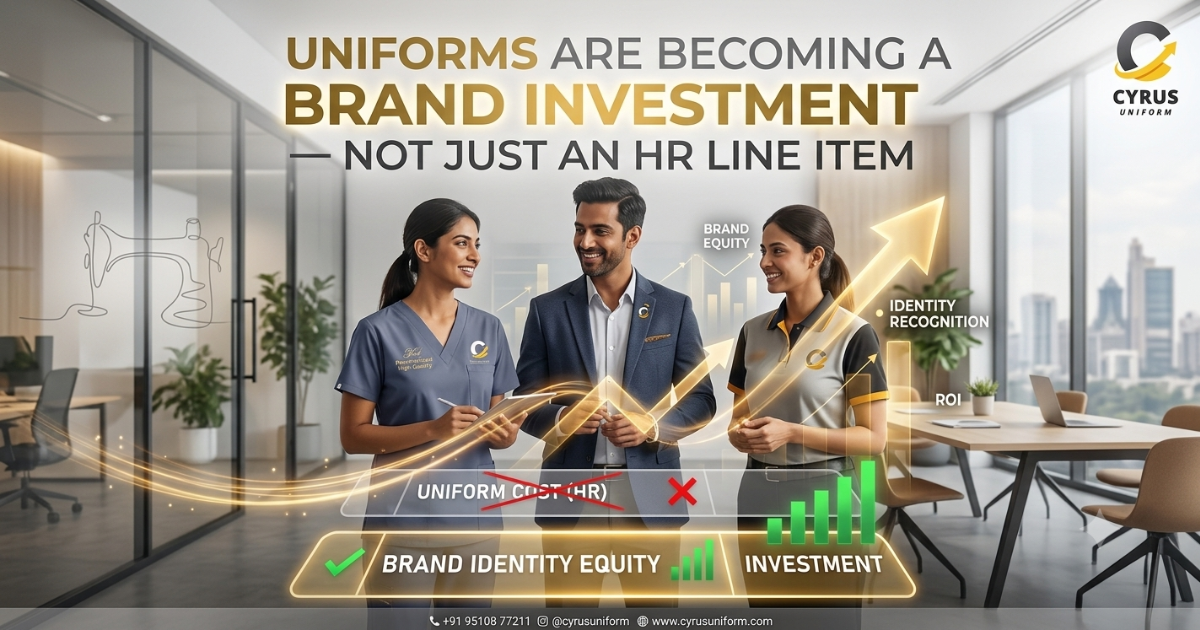
Uniforms are powerful brand statements. In 2026, companies will increasingly leverage them not just for identification but as a key element of their brand story and employee experience. Custom uniforms will go beyond a simple logo application.
Customization Beyond the Logo
The ability to tailor uniforms to specific roles, team identities, and individual preferences will be paramount:
- Modular Designs: Components like detachable sleeves, interchangeable collars, or reversible elements offer versatility and allow for personalized looks within a consistent brand framework.
- Expanded Color Palettes: While core brand colors remain, expect more nuanced shades and secondary color options to be available, allowing departments or teams to subtly differentiate themselves.
- Varied Fits and Styles: Moving away from one-size-fits-all, suppliers will offer a wider range of fits (e.g., slim, regular, relaxed) and style variations (e.g., polo vs. button-down, jogger vs. straight-leg pants) to ensure every employee feels comfortable and confident.
The Power of Professional Image and Inclusivity
Uniforms play a critical role in shaping perception—both externally with customers and internally among employees. Corporate uniform trends 2026 focus on a sleek, modern, and inclusive look:
- Sleek, Minimalist Designs: Clean lines, subtle branding, and sophisticated color combinations will be favored over overly complex or dated designs.
- Inclusive Sizing and Gender-Neutral Options: A growing emphasis on providing sizes and styles that genuinely fit and flatter all body types and gender identities fosters a sense of belonging and professionalism for everyone.
- Accessorization : Scarves, ties, and even branded masks made from sustainable materials will continue to be important elements for completing a professional uniform and adhering to health guidelines.
Conclusion: Preparing Your Uniform Strategy for 2026
The landscape of professional apparel is evolving rapidly. For bulk buyers, anticipating these uniform trends shaping 2026 is crucial for making informed purchasing decisions. Investing in sustainable, high-performance, comfortable, and aesthetically pleasing uniforms not only enhances your brand image but also contributes to employee satisfaction, productivity, and retention.
Now is the time to engage with your uniform suppliers, explore innovative materials, consider new design options, and plan for a future where your uniforms are a true asset. By embracing these trends, you'll ensure your organization is equipped with workwear that is ready for tomorrow's challenges and opportunities.